You’ve poured hours of time into scrolling through Pinterest, reading home improvement blogs, and even thumbing through the odd magazine or two. All you know is your backsplash needs a major upgrade, but the material you’ll choose is still up in the air.
On the one hand, you’re seriously thinking about a glass backsplash. You’ve heard a lot of good things, after all. Yet on the other hand, you still have questions about tile backsplashes and how suitable they are for your kitchen or bathroom.
Well, that’s what we’re here for! It’s time to settle the great debate between glass and tile backsplashes once and for all. Don’t miss it!
The Pros and Cons of Glass Backsplashes
Let’s begin by discussing glass backsplashes, as they’re the material that most homeowners are more curious about.
Advantages
Versatile Appearance
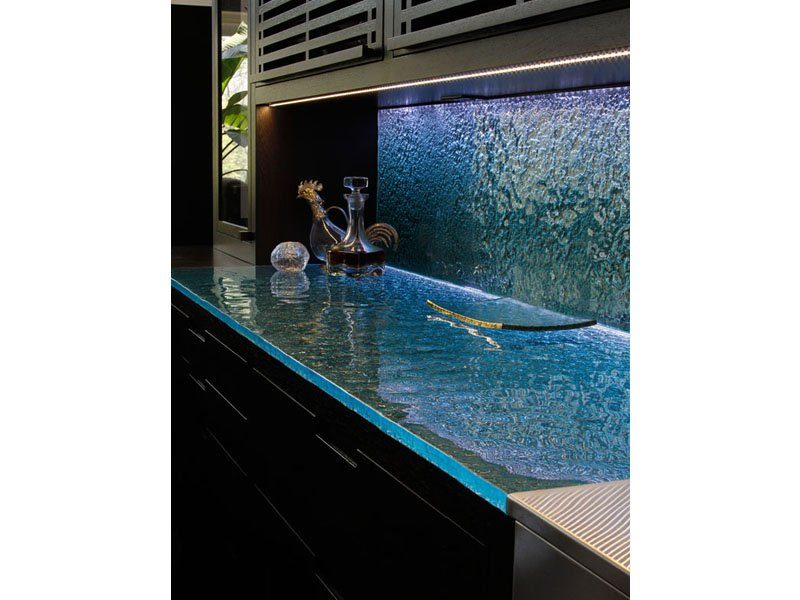
First, in the plusses category, is how versatile glass is looks-wise. It doesn’t exclusively have to be transparent like some people may believe. Here at CBD Glass, a glass accent design company based in Toronto, we also offer Aqua Clear glass, which is a pale blue color.
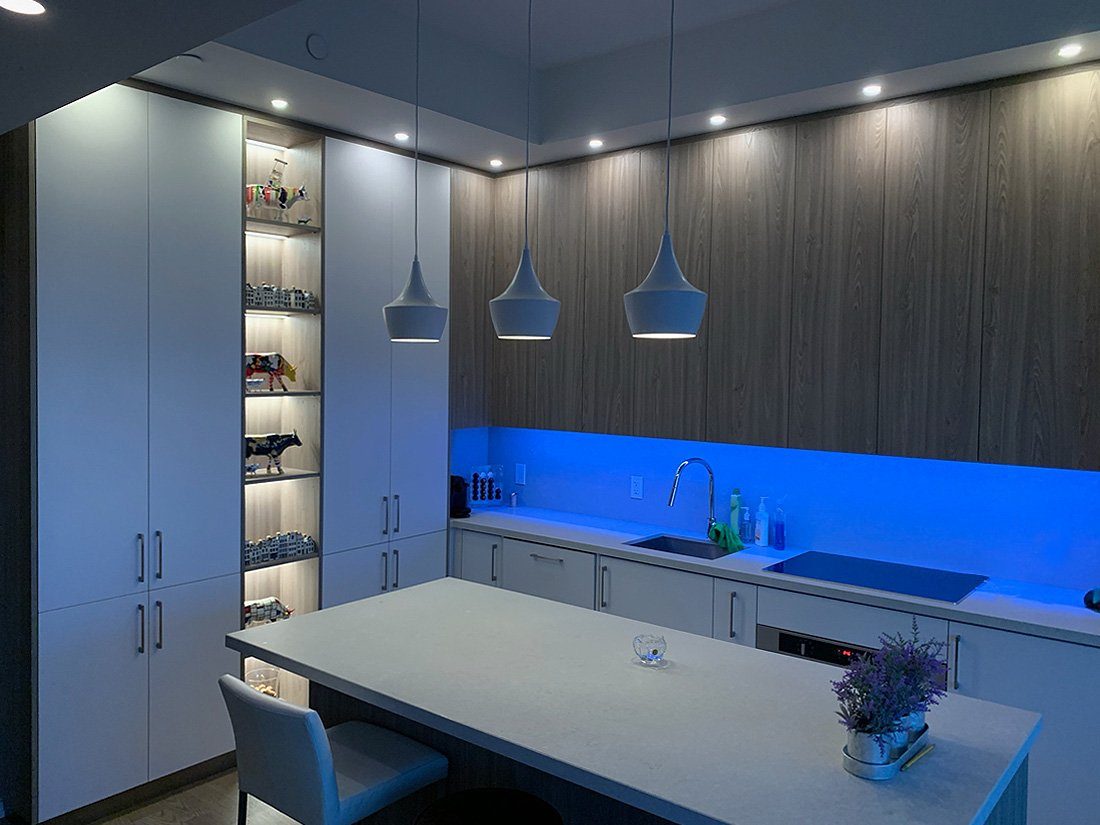
And even that’s only scratching the surface! CBD Glass has an optional backpainting treatment we can add to many glass accent items, backsplashes included. With backpainting, we introduce an alluring layer of color (or even several colors) to your backsplash so it’s unique and appealing.
Easy to Clean
One of the areas in which glass is the most underrated is when it comes to cleaning. Many customers who order glass backsplashes and other accent items through CBD report to us how amazed they are at how simple it is to clean their backsplashes.
Glass only requires a dollop of dish soap and a soft, clean microfiber cloth. Take a little extra time to dry the glass carefully, rubbing in one direction to prevent streaks.
With how fast and simple it is to tidy up, you could add backsplash cleaning to your daily routine.
Won’t Stain
Whether used in your kitchen or bathroom, a backsplash is wont to get stains on it. Depending on the material you select, those stains could be permanent. That will ruin the appearance of your backsplash.
Not with glass. The nonporous material will not stain, even if you spill wine or toothpaste on it. You’ll love that assurance.
Doesn’t Harbor Germs
Another benefit of the nonporousness of glass is that germs and bacteria can’t hide in corners or crevices like they can with other backsplash materials. You and your family can stay healthier whether you have glass backsplashes in the bathroom or kitchen (or both!), as they won’t be germ magnets.
Allows You to Enjoy Your Wallpaper
While glass is available in many colors, as we established, the classic translucency does come in handy. For instance, if you love your kitchen or bathroom wallpaper and want to get a backsplash to protect the walls, translucent glass lets you have the best of both worlds.
You can safeguard the wallpaper from any damage while still enjoying its beauty every day.
Disadvantages
For as many sterling advantages as glass backsplashes have for the bathroom and kitchen, there are a few downsides to be aware of. Let’s take a look.
Prone to Smudges
Depending on where your backsplash is placed, this could be a nonissue. That said, if the backsplash is within arm’s reach and you or another family member touch it enough, it will get smudgy.
You don’t need any specialized cleaner when this happens. Once again, you can rely on dish soap and a microfiber cloth for cleanup.
Scratching Can Cause Damage
Glass is resistant to a lot of damage, but it’s not impervious to scratches. Most light scratches will buff right out with some toothpaste and a rag, but no such luck with deeper gouges. Those could be permanent if you’re not careful.
The Pros and Cons of Tile Backsplashes
Next, let’s switch gears and assess the ins and outs of tile backsplashes.
Advantages of Tile Backsplashes
Classic Look
Beginning with what’s so great about tile backsplashes, they have a classic appearance that many think of when they envision backsplashes. Glass replicates the look well, but the true originator in this case is tile.
Can Make Gaps Less Noticeable
Does your kitchen have some blemishes? The better question may be, whose doesn’t? For instance, maybe there’s a misalignment between the walls and the counters and they aren’t flush. That could have been an installation mistake, but it drives you crazy every day.
Strategically placing tile backsplashes can help you erase these eyesores, so your kitchen is more visually appealing. You’ll also save a lot of money compared to getting new cabinets or counters.
Usually Budget-Friendly
Tile backsplashes are traditionally a cost-effective choice, but of course, it all depends on which company you choose and the scope of your project. Still, many are allured by the possibility of saving some coin by using this material for their backsplash needs.
Disadvantages of Tile Backsplashes
And while tile backsplashes are beneficial in several ways, you have to stay aware of these potential issues.
Cracks Are Likely
Ceramic is a fragile material. If you try to clean it with too much elbow grease or bump into the backsplash accidentally, you could crack it. Now, one or two small cracks might not be a big deal depending on the size of your tiles, at least not at first, but you still shouldn’t ignore the cracks.
After all, time can cause the cracks to deepen, and the tile could even fall off and shatter.
The Grout Can Get Stained
Grout holds the tiles of your backsplash together in most designs. Depending on the layout, you could have a lot of grout between the tiles or only a thin line. Regardless, stains are likely to occur on the grout, which can look especially unsightly.
You can try mixing warm water with vinegar or using baking soda to clean grout, but this can lead to mixed results. It works in some cases but not all.
In that situation, your only solution is to apply the grout all over again.
So Can the Tiles
It’s not only the grout that can become discolored from a spill but the backsplash tiles as well. At that point, you can’t use vinegar or baking soda. You’d probably have to get another tile or two and pay for them to be reinstalled.
Glass vs. Tile: Which Is a More Suitable Material for Backsplashes?
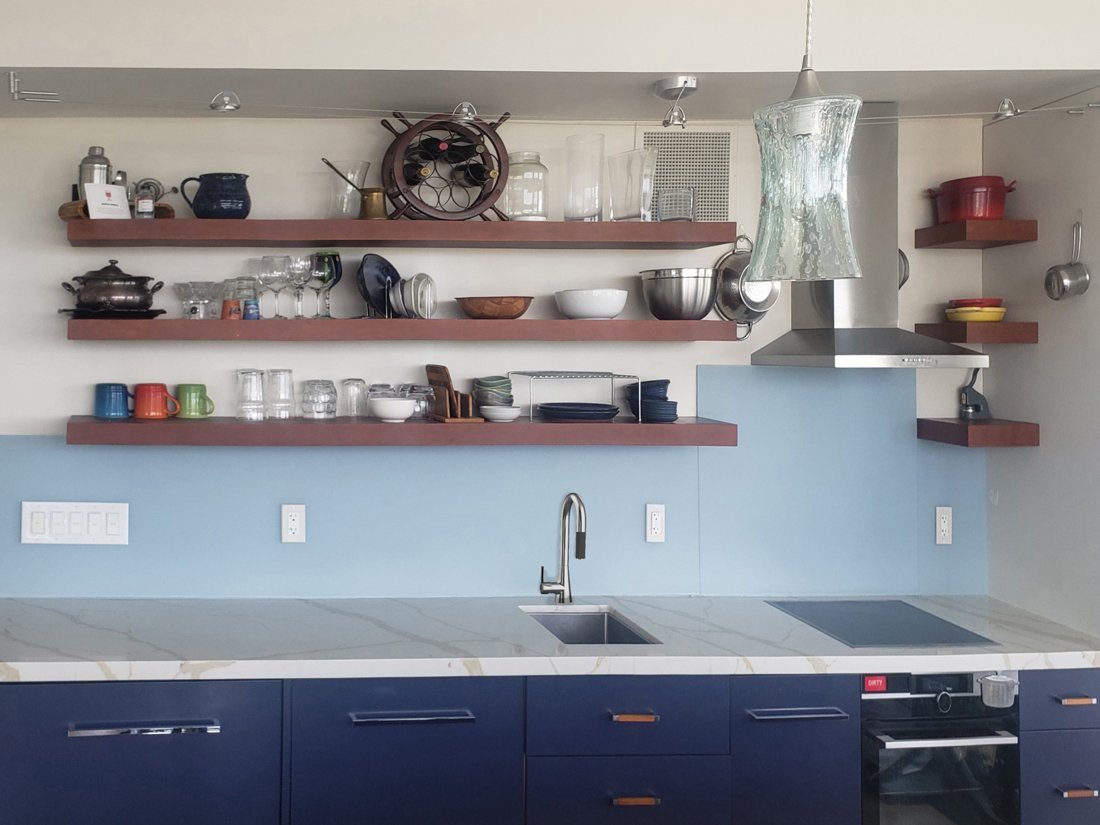
Glass and tile backsplashes both bring a lot to the table, but glass is the clear winner in many ways. It doesn’t stain, it’s impervious to damage to a higher degree than tile, it doesn’t have grout that can become discolored, it’s simple to clean, and it doesn’t attract germs since it’s nonporous.
CBD Glass is glad to assist you with your custom glass backsplash project for the kitchen or bathroom. Connect with our team today.