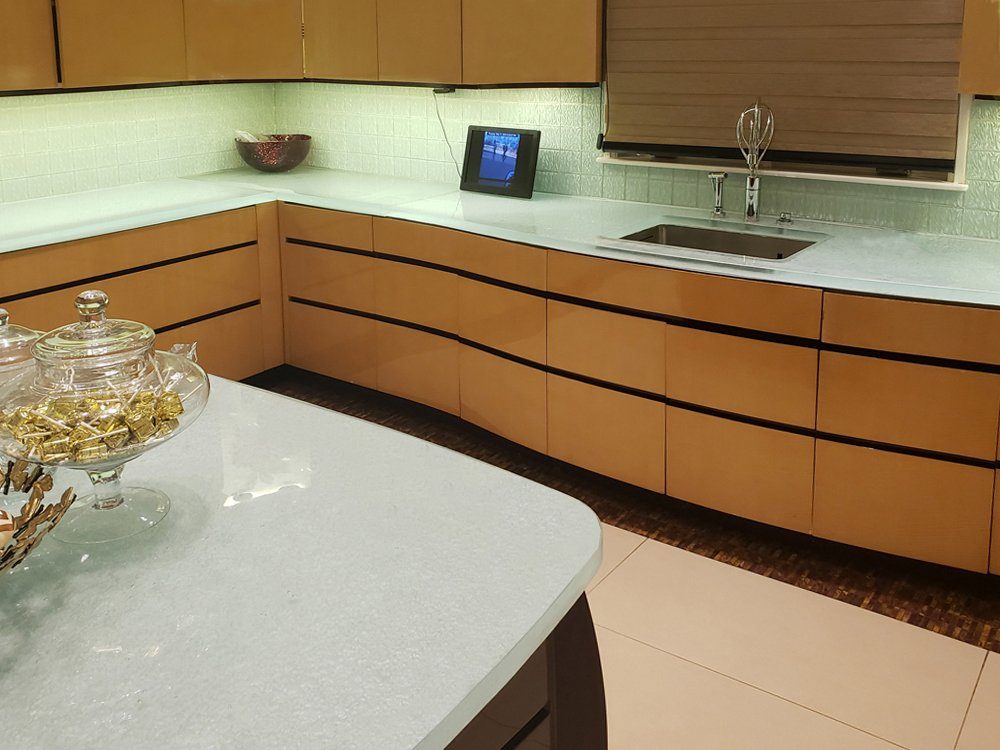
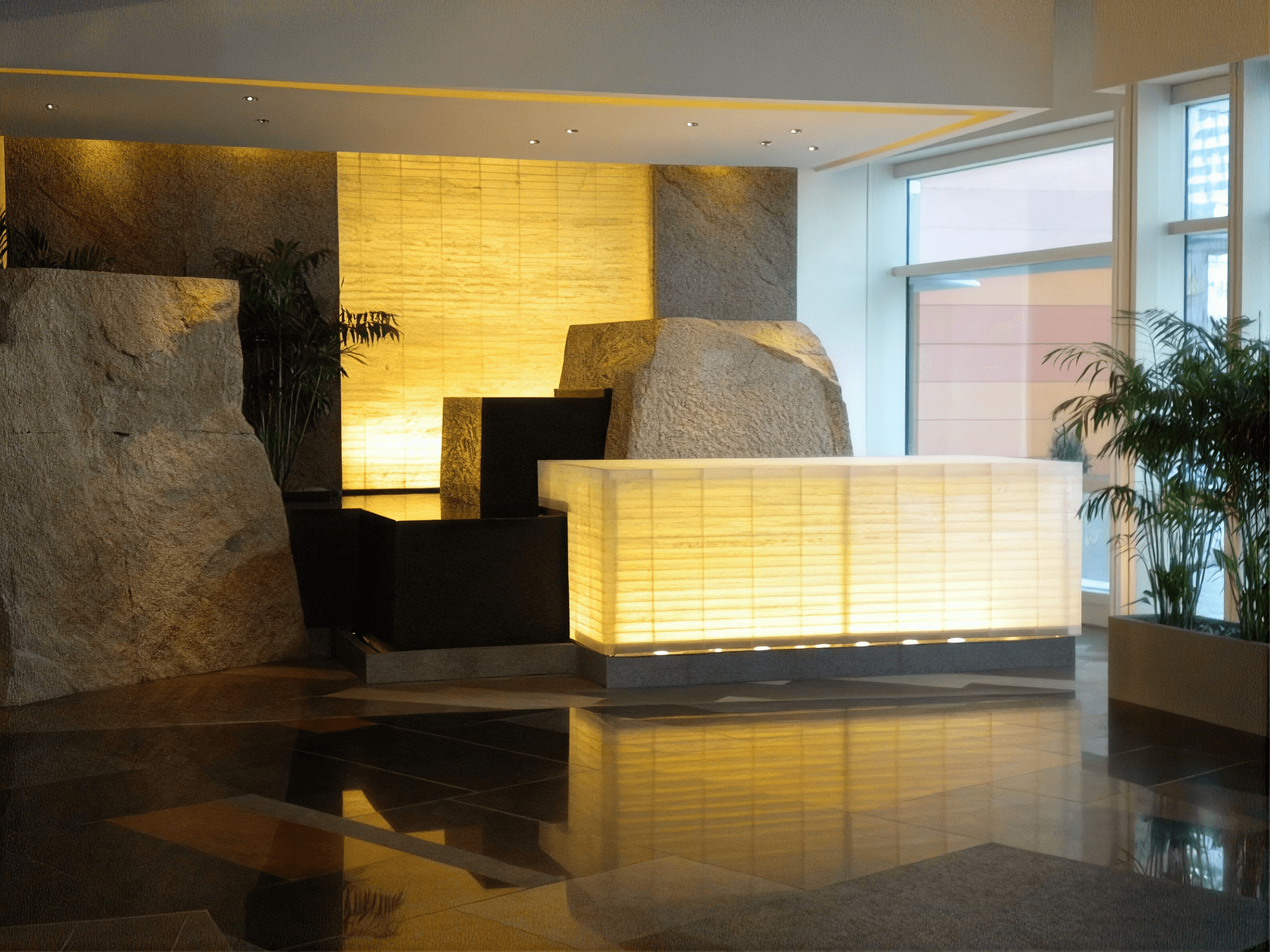
We all want shiny aesthetics from our countertops. But there are some heavily trafficked areas in our home, where a “showpiece” doesn’t make that much sense. For example, all the cutting, chopping, and sliding of dishes in your kitchen need something sturdy or “hard-wearing” underneath.
If you share the same concern, here’s a detailed guide to help you pick the right material for a hard-wearing and heavy-duty countertop that lasts decades. So, are you ready?
Hard-Wearing Countertops- What It Means & Why It Matters
The term “hard-wearing” needs some more clarification. Here’s what we mean when we call a countertop hard-wearing.
First of all, the countertop must be impact-resistant. You will put lots of heavy pots or dishes on top of it (and not so gently either). So, the countertop must be able to endure weight without cracking.
Next comes stain & scratch resistance. With so many items being put on the countertop, spillage is very common. The surface must have zero porosity. So, it can prevent moisture from seeping into its body and inviting germs.
Then, there’s heat resistance. Some materials start warping under heat. If you have plans to put the countertop under direct sunlight or near gas stoves, consider heat resistance a top priority.
Top 5 Hard-Wearing Countertop Materials In The Industry
1. Quartz
Quartz or engineered stones get 7 out of 10 on the Mohs scale. If you are not aware of this rating system, it measures the hardness of any mineral on a scale of 1 to 10; 1 being the softest and 10 the hardest (Diamond holds the record). And, compared to that, quartz also performs well on this scale.
Quartz countertops are sealed perfectly with resin, eliminating any scope of microbial growth. So, it gets 10/10 on hygiene. Not just that, you can just pour mild soap and water on the surface to clean up.
But Is It Hard-Wearing Enough?
Let’s take a quick look at how Quartz performs on the criteria for “hard-wearing” countertop material.
Category
Remark
Further Explanation
Hardness Level
7
Extremely hard to scratch
Porosity
non-porous
Doesn’t let moisture in
Heat Resistance
moderate
Can tolerate heat up to 300°F
Maintenance Required
low
No sealing required
Hygeine
excellent
Less scope for germs to grow
2. Stainless Steel
Stainless steel is the most used countertop material in the medical sector. That’s because it’s considered one of the most hygienic materials. The chromium on its surface bonds with oxygen to form a protective barrier, keeping any sort of rusting or oxidation away.
As a result, you can wipe it as many times as you want without worrying about deterioration.
But Is It Hard-Wearing Enough?
Stainless steel is close to the hardness level of quartz. It’s moderately scratch & stain resistant.
Category
Remark
Further Explanation
Hardness Level
~5 to 6
Softer than Quartz, still hard enough to resist minor scratches
Porosity
non-porous
Doesn’t have any cracks or crevices.
Heat Resistance
moderate
Can tolerate hot pans
Maintenance Required
Low to moderate
Doesn’t react with harsh disinfectants
Hygiene
excellent
Used in hospitals
3. Porcelain
Porcelain is one of the hardest-wearing countertop materials out there. It has a similar hardness level to Quartz. However, porcelain handles heat way better than quartz. So, if you are looking for a kitchen countertop, porcelain will not disappoint you.
But Is It Hard-Wearing Enough?
Category
Remark
Further Explanation
Hardness Level
~6-7
Closer to quartz
Porosity
non-porous
Non-absorbent upper surface
Heat Resistance
excellent
Can tolerate hot baking trays
Maintenance Required
low
Surface pattern doesn’t fade away due to frequent cleaning
Hygeine
good
A non-porous surface doesn’t let bacteria grow
4. Tempered Glass
Finally, we have the dark horse of our list. These glass countertops are designed to go beyond expectations. You get a strong, durable surface with a sleek, modern look that really lifts the feel of your space.
One major benefit of a tempered glass countertop is that it’s transparent. So, it’s very easy to locate any spillage on the countertop. The earlier you notice, the easier the clean-up becomes. Plus, it’s 100% non-porous. So, no moisture from the food can seep under the surface.
It means the material will stay as polished and shiny for years to come.
But Is It Hard-Wearing Enough
Category
Remark
Further Explanation
Hardness Level
~5-6
Heat-treated for superior impact resistance, far beyond regular glass.
Porosity
100% non-porous
Impossible for bacteria to penetrate
Heat Resistance
excellent
Can avoid thermal shock even at 470°F
Maintenance Required
Very low
No harsh chemicals needed
Hygeine
excellent
No way for moisture to penetrate
So, Which One Is The Hardest-Wearing Countertop?
Each material has its own strength. If you prefer a good finish, you can go for porcelain. It is able to maintain its shape and resist stains or scratches. But it can be a little costly.
If you want the same qualities within a more affordable price range, don’t ignore ultra-clear tempered glass. From heat-resistance to zero porosity, it checks all the boxes.
Start a Project
Have a Project in Mind?
Share your ideas, drawings or inspiration, and our team will help you explore what is possible.


 Next comes stain & scratch resistance. With so many items being put on the countertop, spillage is very common. The surface must have zero porosity. So, it can prevent moisture from seeping into its body and inviting germs.
Then, there’s heat resistance. Some materials start warping under heat. If you have plans to put the countertop under direct sunlight or near gas stoves, consider heat resistance a top priority.
Next comes stain & scratch resistance. With so many items being put on the countertop, spillage is very common. The surface must have zero porosity. So, it can prevent moisture from seeping into its body and inviting germs.
Then, there’s heat resistance. Some materials start warping under heat. If you have plans to put the countertop under direct sunlight or near gas stoves, consider heat resistance a top priority.
 Quartz countertops are sealed perfectly with resin, eliminating any scope of microbial growth. So, it gets 10/10 on hygiene. Not just that, you can just pour mild soap and water on the surface to clean up.
 One major benefit of a tempered glass countertop is that it’s transparent. So, it’s very easy to locate any spillage on the countertop. The earlier you notice, the easier the clean-up becomes. Plus, it’s 100% non-porous. So, no moisture from the food can seep under the surface.
It means the material will stay as polished and shiny for years to come.
One major benefit of a tempered glass countertop is that it’s transparent. So, it’s very easy to locate any spillage on the countertop. The earlier you notice, the easier the clean-up becomes. Plus, it’s 100% non-porous. So, no moisture from the food can seep under the surface.
It means the material will stay as polished and shiny for years to come.