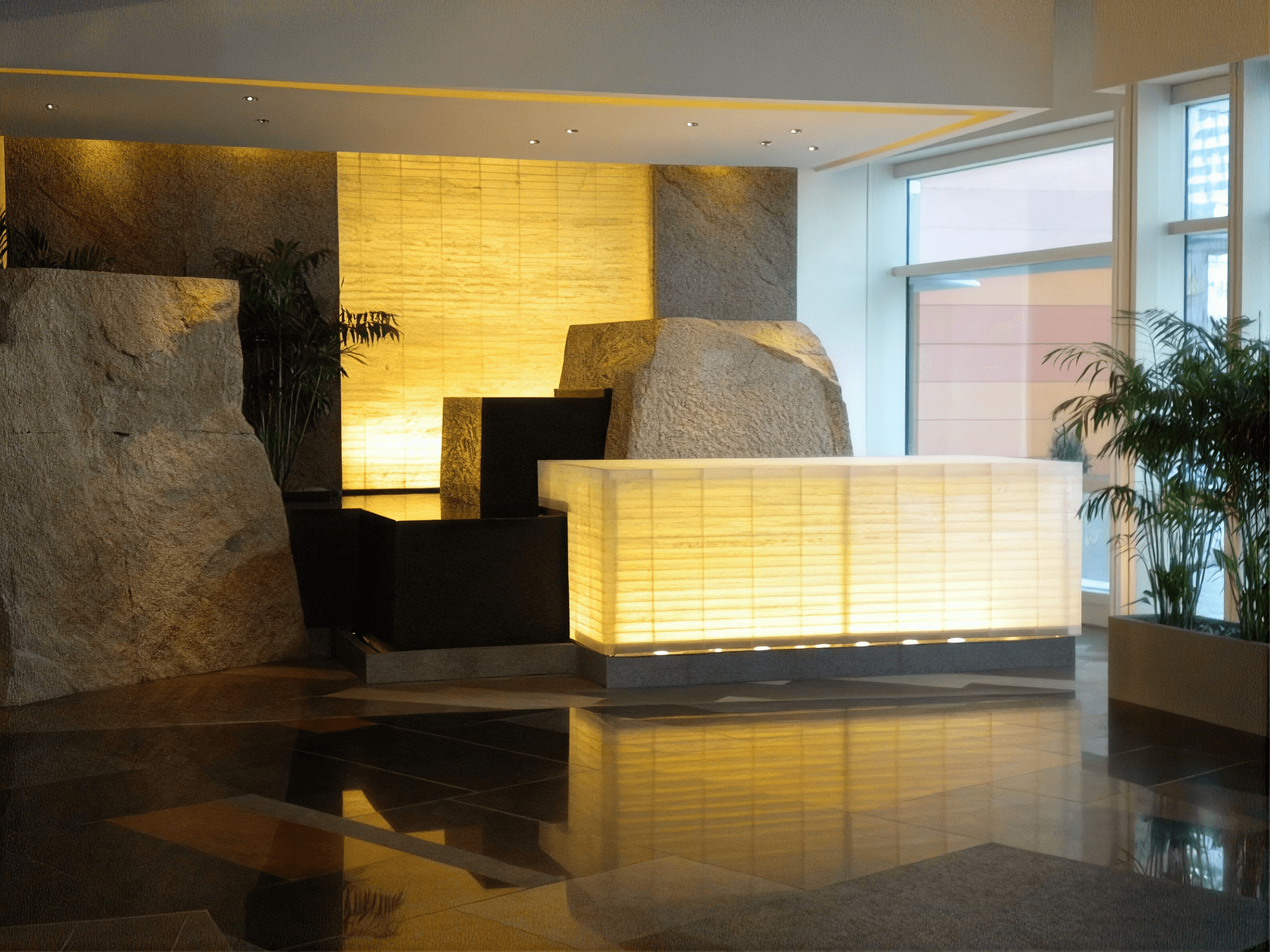
Countertops are a major interior staple. But is that their only purpose? Especially if you install a countertop inside the kitchen or bathroom, you want it to be as sanitary or hygienic as possible. Countertops in such heavily trafficked spaces come in contact with food, dirty hands, excess moisture, etc, something germs or bacteria love.
That’s why, while choosing the right countertop material, sanitization often competes with aesthetics. And, if you feel the same way, keep reading as we disclose which material you should go for to stay away from germs as much as possible.
What Makes A Countertop Sanitary?
Kitchen and bathroom countertops require maximum sanitization. You wipe the surface almost every day with cleaning agents. So, the countertop material must have a high endurance level so as not to react badly with the chemicals. Otherwise, the color or pattern on the surface will fade away or get damaged, ruining your home’s overall aesthetics.
Here are some other points that make a countertop sanitary.
Must Be Easy To Sanitize Daily
Surfaces that require a special cleaning routine, like marble, concrete, or tiles, are a big NO. The surface must be cleaning-friendly. Since you will be cleaning the countertop very often, it’s not practical for the process to involve too many steps.
Won’t Let Moisture In
What if you spill something on the counter and don’t notice immediately? If the surface is porous, like wood, it will let all the moisture in. Your countertop will slowly become a germ-breeding hub. That’s why another criterion for sanitary countertops is to be non-porous.
Can Resist Scratch
Scratches or dents make room for food waste or moisture. Even when you wipe the surface, some of the dirt can stay hidden within the cracks or dents. So, you want something that can resist scratches.
Top 3 Materials For A Sanitary Countertop
From numerous countertop materials that have filled the market, here are the top 3 that pass our “sanitary” criteria.
1. Engineered Stone
Engineered stone is the man-made alternative to marble. You might know it as quartz. One major reason why quartz is on our list is that it’s super easy to clean. You can wipe the surface multiple times in between cooking with mild soap and water.
Since it's non-porous, the moisture from food waste won’t seep into the material. So, the countertop is pretty easy to keep “bacteria-free.”
The only downside worth considering is that quartz can get scratched easily if you are not using a cutting board for cooking prep.
Pros
Cons
Non-porous (bacteria resistant)
Can get damaged by heat
Gentle cleansers work fine
Not entirely scratch-resistant
Food contact safe
Harsh chemicals (undiluted bleach) can break down its surface resin.
2. Industry-Grade Stainless Steel
You must have seen the busy kitchens of famous restaurants. One thing common in all of them is a stainless-steel countertop. And it’s not coincidental. Industry-grade stainless steel is non-porous and completely inhibits any sort of microbial growth. It’s very difficult for germs to stay alive on a stainless-steel surface, unlike on wood.
Plus, stainless steel is more tolerant toward harsh commercial-grade cleaning agents that have alcohol or bleach. So, you can rub the surface with any type of cleaner you like without worrying about damage.
The only downside of stainless steel is that it is also not resistant to scratches, similar to quartz. Also, it looks quite cold and monotonous. So, if you want a certain type of aesthetic input in your house, stainless steel might disappoint you.
Pros
Cons
Can tolerate harsh disinfectants
Looks quite boring & cold
Completely non-porous
Easily gets scratched
Zero chance of food contamination
Noisy unless you keep pots on pads.
3. Ultra-Clear Tempered Glass
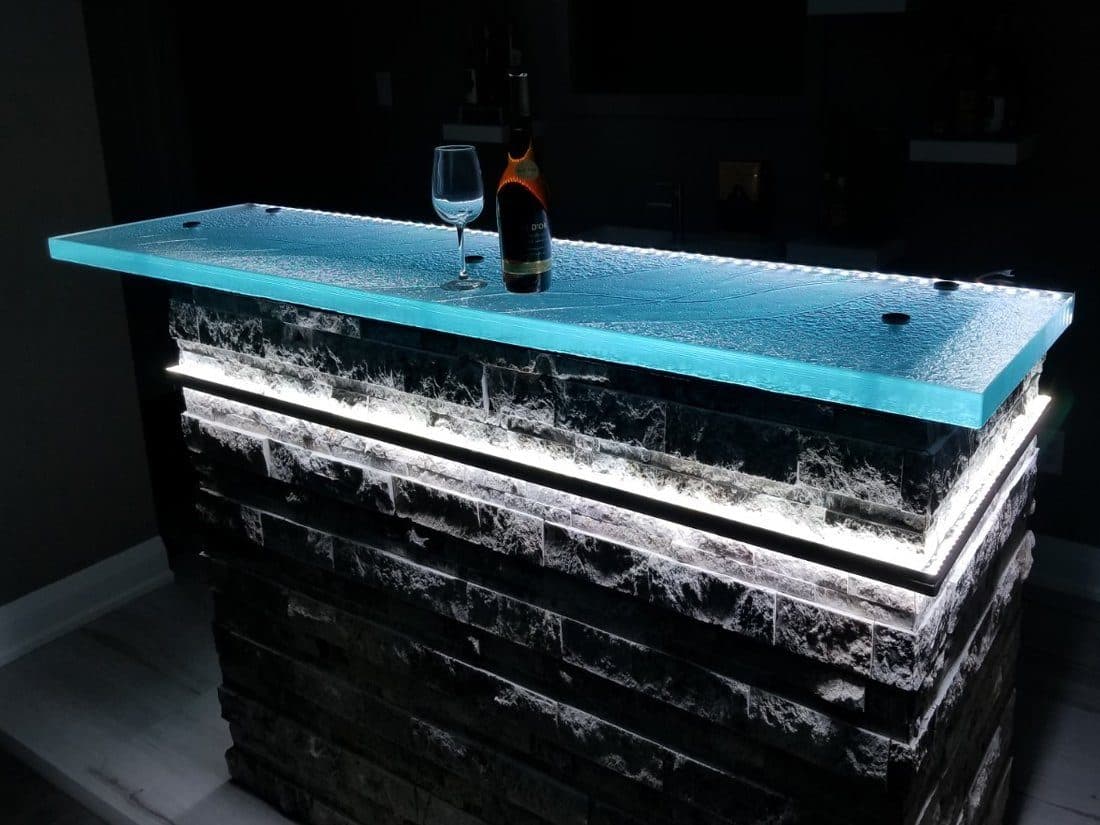
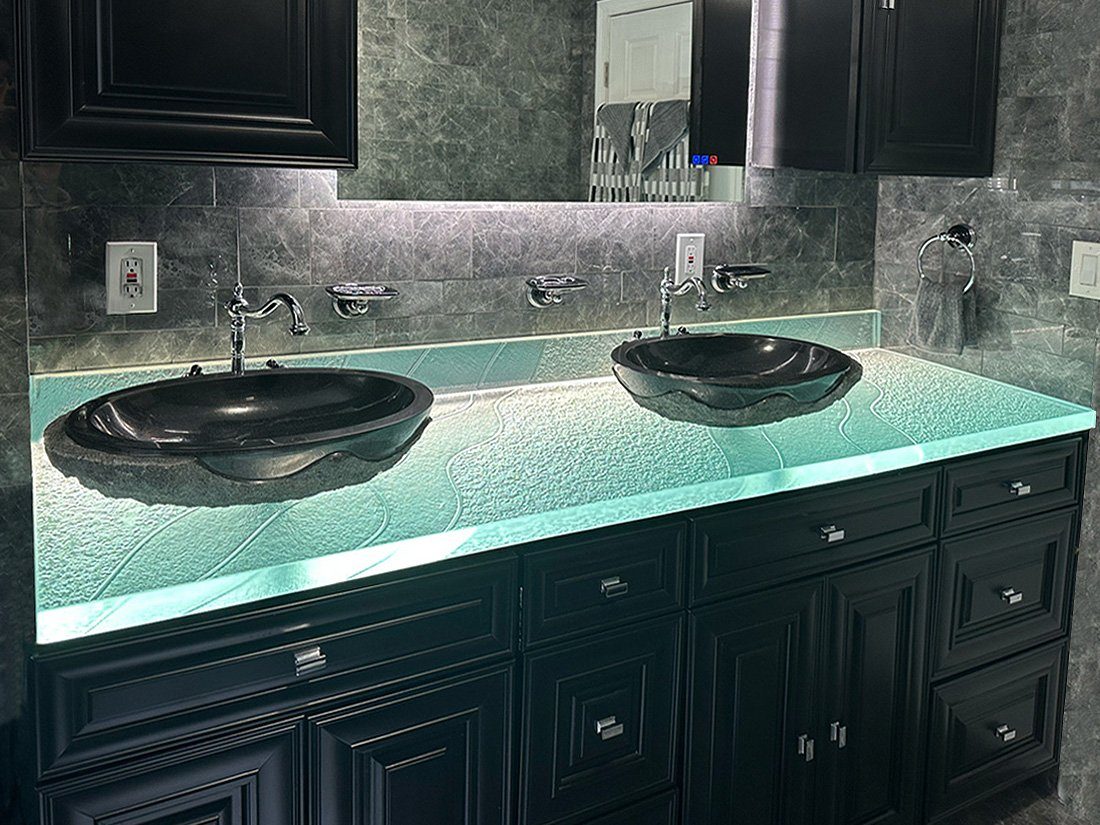
Tempered glass is also 100% non-porous. So, there’s no risk of germs staying behind after a proper clean-up. Plus, you are allowed to use harsh chemicals on its surface. The shiny countertop won’t lose its charm due to strong cleaning agents.
Another distinct feature of ultra-clear tempered glass is that it gives off the illusion of a clean surface. So, you will also get some mental satisfaction after cleaning up the surface.
The only consideration is that you have to get your glass countertop from a reliable brand and make sure the tempered glass is 4-5 times stronger than regular glass.
Pros
Cons
Zero porosity
Moderately scratch resistant
Doesn’t interact with food
Risk of chipping or cracking if not from a reliable brand.
Super easy to clean
Final Recommendation: Which One Leads In Sanitization?
If aesthetics don’t matter to you, stainless steel is a decent option. But if you think the countertop should add some aesthetic value to your property, go for an ultra-clear tempered glass. It not only illuminates your space by reflecting light but also has zero porosity and strong resistance to impact.
As far as scratches or dents are concerned, glass is the safest option among the three materials we mentioned here.
Start a Project
Have a Project in Mind?
Share your ideas, drawings or inspiration, and our team will help you explore what is possible.




 Another distinct feature of ultra-clear tempered glass is that it gives off the illusion of a clean surface. So, you will also get some mental satisfaction after cleaning up the surface.
The only consideration is that you have to get your glass countertop from a reliable brand and make sure the tempered glass is 4-5 times stronger than regular glass.
Another distinct feature of ultra-clear tempered glass is that it gives off the illusion of a clean surface. So, you will also get some mental satisfaction after cleaning up the surface.
The only consideration is that you have to get your glass countertop from a reliable brand and make sure the tempered glass is 4-5 times stronger than regular glass.